The Pug
An ancient Chinese lapdog bred for one job — to be a companion — and 2,000 years of practice shows. Clownish, stubborn, endlessly affectionate, and famously happy to do absolutely nothing beside you.
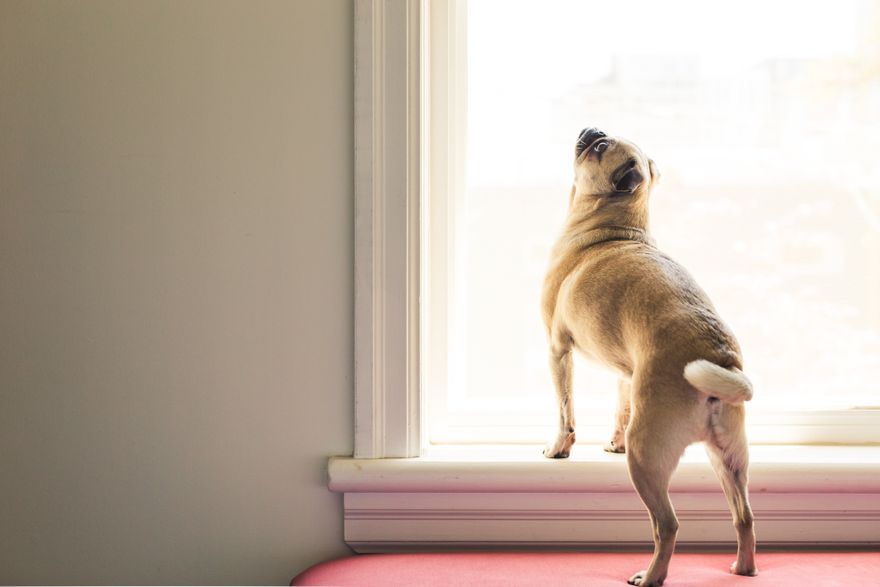
Temperament, honestly
4 traitsLiving with one
4 essentialsHeat is dangerous
That flat face makes overheating a genuine emergency risk. Keep them cool, exercise only in the cool of the day, and never leave them in a warm car.
Clean the wrinkles
Those deep facial folds trap moisture and food. Wipe them out several times a week to prevent irritation and infection.
Watch the waistline
Pugs love food and pile on weight fast, which strains their breathing and joints. Measured meals and few treats keep them healthy.
Gentle exercise
Two short strolls a day suit them best. Watch for laboured breathing and stop before your Pug is struggling.
Coat colours
5 common coatsFawn
The classic Pug — warm tan with a black mask and ears.Black
Solid, glossy black. The second AKC-recognised colour.Apricot
A warmer, deeper fawn edging toward gold. Much loved.Silver Fawn
A cooler, paler fawn with a silvery sheen. Uncommon.Black & Tan
Rare and not AKC standard, but striking. A niche favourite.The two AKC-recognised colours are fawn and black, and that's it — anything sold as a rare "silver", "chocolate" or "merle" Pug at a premium price should prompt questions, since merle in particular isn't natural to the breed and can carry health risks. Whatever the colour, a Pawtrait renders it faithfully — wrinkles, mask and all.
Did you know
Is a Pug right for you?
Six honest questions. No email required, no judgement. Mostly.
Pug vs the other flat-faced companions
3 breeds| Pug | French Bulldog | Bulldog | |
|---|---|---|---|
| Adult weight | 14–18 lbs | 16–28 lbs | 40–50 lbs |
| Energy | Low | Low | Low |
| Shedding | Heavy | Low–moderate | Moderate |
| Snoring | Committed | Symphonic | Industrial |
| Apartment fit | Excellent | Excellent | Very good |
What one actually costs
First-year estimates, USDReputable, health-testing breeders. Be wary of "rare" colours at premium prices; rescues far lower.
Flat-faced breeds cost more to insure thanks to airway, eye and skin risks. Get cover early.
Small appetite, but measured portions matter \u2014 Pugs gain weight fast and it harms their health.
Routine care plus fold wipes, a cooling mat, and a realistic budget for eye and breathing issues.
Still unnamed?
The Pug name dealerSee your Pug as a Pawtrait
6 styles
Bring it home
Starting at $27Pug FAQ
The questions everyone GooglesDo Pugs shed a lot?
Yes — more than people expect for such a small dog. Pugs have a dense double coat (fawns especially) and shed year-round, with heavier seasonal moults. Regular brushing helps, but a Pug home means Pug hair on everything. It's the honest trade-off for all that charm.
Are Pugs healthy dogs?
Honestly, Pugs are a breed with real health challenges. Their flat faces can cause breathing difficulties, they're prone to eye problems and overheat easily. The two biggest things you can do: buy only from breeders who health-test, and keep your Pug slim. A fit Pug from careful breeding lives a much healthier life than the stereotype suggests.
Are Pugs good with kids?
Exceptionally. Pugs are patient, sturdy, playful and almost comically tolerant, which makes them one of the best small breeds for families. They genuinely enjoy the attention. As always, supervise young children and teach them to respect the dog, but a Pug's easy-going nature does most of the work.
How much does a Pug cost?
Roughly $1,200–$3,000 from a reputable, health-testing breeder in the US. Be cautious of "rare" colours sold at a premium. Then budget around $1,300–$2,500 a year for food, insurance and vet care — flat-faced breeds cost more to keep healthy than the average dog.
Can Pugs be left alone?
Not for long. Pugs were bred purely for companionship and form intense attachments, so most struggle beyond a few hours alone and can develop separation anxiety. They suit households where someone is around for much of the day — a Pug's idea of hell is an empty house.
Why do Pugs snort and snore so much?
It's the flat face. Their compressed airways make snorting, grunting and enthusiastic snoring part of everyday Pug life — most owners find it endearing. But loud, laboured breathing that seems to be a struggle is worth a vet check, as severe cases of airway syndrome sometimes need treatment.
Keep exploring
Free tools & guidesDog Age Calculator
How old is your Pug in human years? The real maths, by breed size.
Free toolBreed Identifier
Upload a photo, discover the breed. Great for the mystery rescues.
City guidesPaw Places
Dog-friendly parks, cafés and hotels in London, Sydney, New York and more.
Breed libraryAll 205 breed guides
From Affenpinscher to Yorkshire Terrier — honest guides to every breed.
Upload a photo, see it instantly
No waiting, no surprises. Your Pug's Pawtrait renders in seconds, free to preview, before you spend a cent.
