The Belgian
Malinois
The elite working dog of the police, military and protection world: astonishingly athletic, laser-focused and tireless. A magnificent partner for the right handler, and genuinely too much dog for almost everyone else.
Temperament, honestly
4 traitsLiving with one
4 essentialsSerious daily exercise
One to two hours of hard physical and mental work, every day, for life. This is the single biggest commitment the breed demands.
A real job, not just walks
Bite sports, agility, tracking, herding, advanced obedience — a Malinois needs structured work to channel its drive, not just laps of the park.
Socialise early, thoroughly
Start structured socialisation from puppyhood. Without it, natural protectiveness can become wariness or reactivity.
Brush the short coat
Low-maintenance grooming: a weekly brush, more during the twice-yearly heavier shed. Easy compared to the exercise needs.
Coat colours
5 common coatsFawn
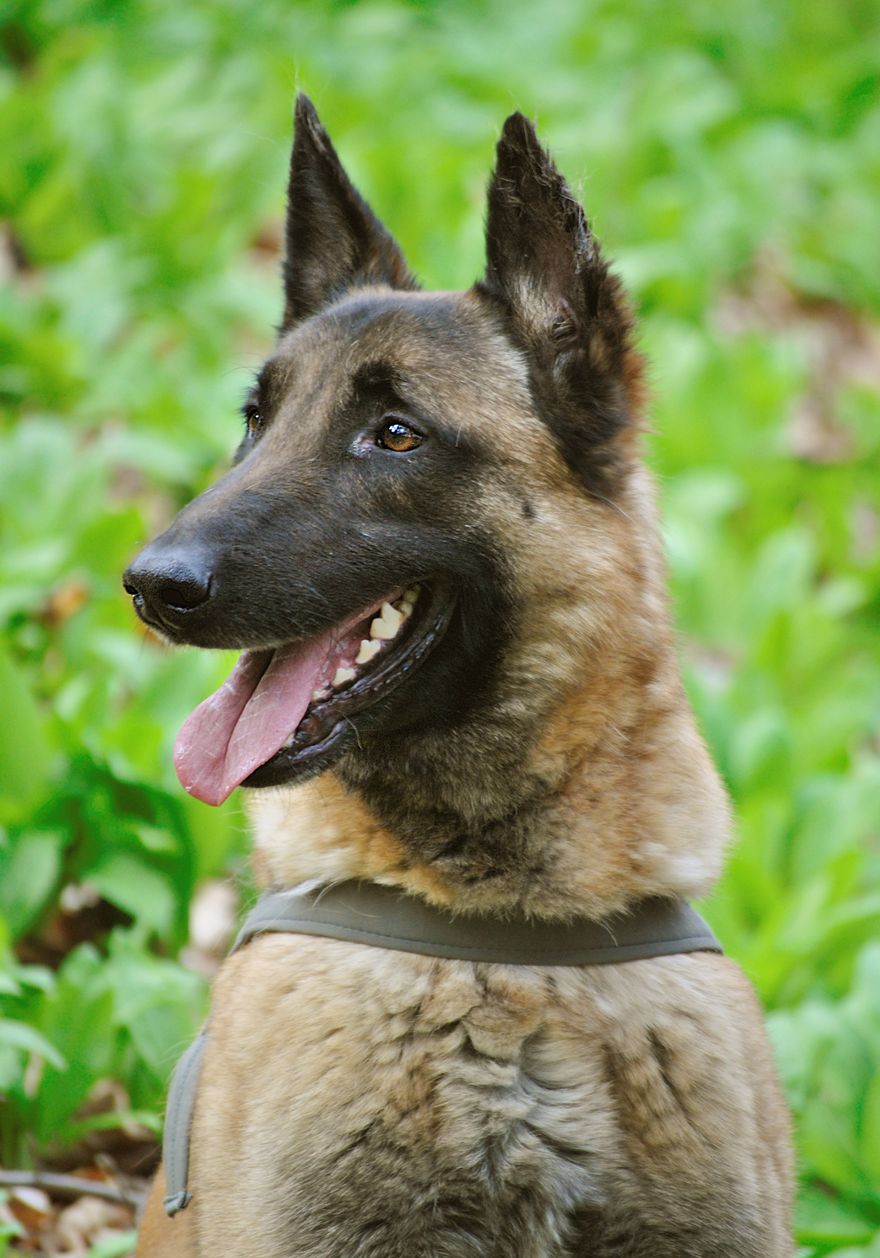
The classic Malinois — rich reddish-fawn, always with a black mask.Mahogany
A deeper, richer red-brown. Striking and much admired.Black Mask
Every Malinois wears the signature dark mask and ears.Red Fawn
A lighter, golden-red variation of the classic coat.Sable tips
Black-tipped guard hairs give the coat its rich, shaded depth.The Malinois coat is refreshingly simple: a short, weather-resistant double coat in fawn to mahogany, always finished with the breed's trademark black mask and ears and subtle black-tipped shading. Beware anyone selling "rare" long-haired or off-standard colours at a premium — that's usually a different Belgian variety or a cross. Whatever the shade, a Pawtrait renders it faithfully — black mask, shaded coat and all.
Did you know
Is a Belgian Malinois right for you?
Six honest questions. No email required, no judgement. Mostly.
Malinois vs the other working shepherds
3 breeds| Belgian Malinois | German Shepherd | Australian Shepherd | |
|---|---|---|---|
| Adult weight | 40–80 lbs | 50–90 lbs | 40–65 lbs |
| Energy | Extreme | High | Very high |
| Shedding | Moderate | Heavy | Heavy |
| Working drive | Extreme | High | High |
| First-time owner | No | Caution | Caution |
What one actually costs
First-year estimates, USDPet lines lower; proven working and protection-sport lines run far higher. Rescues far lower.
Generally a hardy, healthy breed. Cover for hips, elbows and eyes is worthwhile.
An intensely active dog burns real fuel. Quality, performance-level food is worth every cent.
The real cost: professional training, dog sports, club fees and durable gear. Budget for it seriously.
Still unnamed?
The Malinois name dealerSee your Belgian Malinois as a Pawtrait
6 styles
Bring it home
Starting at $19Belgian Malinois FAQ
The questions everyone GooglesAre Belgian Malinois good family dogs?
They can be, but only in the right family — an active, experienced, committed one. Malinois are intensely loyal and bond deeply, but their high drive, intensity and need for structure make them a poor fit for most households with young children or a relaxed lifestyle. With an experienced owner and thorough socialisation they can be wonderful; for the average family, a gentler breed is usually the kinder choice.
What is the difference between a Malinois and a German Shepherd?
They look similar but differ meaningfully. The Malinois is lighter, squarer and more agile, built like a sprinter, with even higher drive and intensity. The German Shepherd is larger, heavier-boned and often a touch more measured. Both are elite working dogs, but the Malinois is generally faster, more intense and more demanding — which is why modern police and military units increasingly favour it.
Are Belgian Malinois good for first-time owners?
Honestly, no — this is one of the least beginner-friendly breeds there is. The combination of extreme drive, intelligence, energy and protective instinct means a Malinois will quickly overwhelm an inexperienced owner, and mishandled Malinois fill rescues. They're best suited to experienced handlers, working homes, and people ready to commit to serious daily training and exercise for the dog's whole life.
How much does a Belgian Malinois cost?
Roughly $1,000–$3,500 from a reputable breeder, with proven working and protection-sport lines costing considerably more. But the bigger spend is ongoing: budget seriously for professional training, dog sports and gear — often $800–$2,000+ a year — on top of food, insurance and vet care. This is not a cheap dog to do properly.
Can Belgian Malinois be left alone?
Not for long, and not without consequences. A bored, under-exercised Malinois left alone is one of the most destructive dogs you can own — they need their physical and mental needs thoroughly met before any alone time, and even then they don't suit long days by themselves. This is a dog that needs to be deeply involved in an active life, not left to its own devices.
Do Belgian Malinois bark a lot?
They're alert and will bark to communicate and to guard, but excessive barking usually signals what this breed struggles with most: boredom and unmet needs. A well-exercised, well-trained, mentally-satisfied Malinois is far quieter than one left under-stimulated. As with everything in this breed, the answer comes back to giving it enough work.
Keep exploring
Free tools & guidesDog Age Calculator
How old is your Belgian Malinois in human years? The real maths, by breed size.
Free toolBreed Identifier
Upload a photo, discover the breed. Great for the mystery rescues.
City guidesPaw Places
Dog-friendly parks, cafés and hotels in London, Sydney, New York and more.
Breed libraryAll 205 breed guides
From Affenpinscher to Yorkshire Terrier — honest guides to every breed.
Upload a photo, see it instantly
No waiting, no surprises. Your Belgian Malinois's Pawtrait renders in seconds, free to preview, before you spend a cent.
