The Golden
Retriever
Bred in the Scottish Highlands to retrieve waterfowl without a single tooth mark, and somehow ended up as the dog most likely to greet a stranger like a long-lost friend.
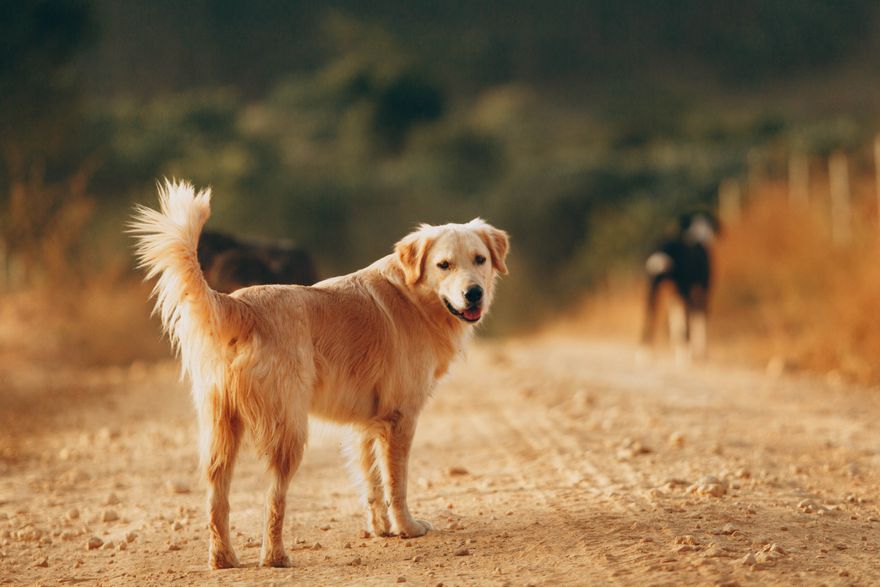
Temperament, honestly
4 traitsLiving with one
4 essentials60+ minutes daily
Split between a real walk and active play. Water access is a bonus, not a requirement, they were bred for it.
Weekly brushing
That double coat sheds year-round, hard, twice a year. A slicker brush weekly keeps it manageable.
Hip & joint screening
Hip dysplasia runs in the breed. Ask for OFA-certified parents if buying a puppy.
Food-motivated
Useful for training, risky for waistlines. Goldens are prone to weight gain if treats go unmeasured.
Coat colours
5 common coatsLight Golden
Pale champagne gold. Often mislabelled "English cream."Golden
The standard-issue sunshine. What the breed name promised.Dark Golden
Deep honey to bronze. Richens further with age.Cream
The lightest end of the spectrum, common in UK show lines.Red
Rich mahogany gold, common in working field lines.A note on "English cream" goldens: it's a marketing term, not a separate breed — just light-golden dogs bred toward the UK standard, and paying a premium for the label alone rarely makes sense. Every shade here is one breed with one temperament. Whichever gold yours is, a Pawtrait renders it faithfully, feathering and all.
Did you know
Is a Golden right for you?
Six honest questions. No email required, no judgement. Mostly.
Golden vs the family favourites
3 breeds| Golden Retriever | Labrador Retriever | German Shepherd | |
|---|---|---|---|
| Adult weight | 55–75 lbs | 55–80 lbs | 50–90 lbs |
| Energy | High | High | Very high |
| Shedding | Heavy | Heavy | Legendary |
| Trainability | Excellent | Excellent | Excellent |
| First-dog fit | Excellent | Excellent | Challenging |
What one actually costs
First-year estimates, USDReputable breeders with health-tested parents. Rescues and breed-specific shelters run far lower.
Worth having: the breed's elevated cancer rates make good coverage a genuine safety net.
A 30 kg dog with strong opinions about dinner. Measure portions \u2014 they will not self-regulate.
Routine care, grooming tools, and an effectively infinite supply of tennis balls.
Still unnamed?
The Golden name dealerSee your Golden as a Pawtrait
6 styles
Bring it home
Starting at $27Golden Retriever FAQ
The questions everyone GooglesDo Golden Retrievers shed a lot?
Yes — heavily. Their double coat sheds year-round and "blows" twice a year in spring and autumn, when daily brushing becomes the only real defence. A weekly session with a slicker brush handles the rest of the year. Fur on your clothes is part of the deal.
How much exercise does a Golden Retriever need?
At least an hour a day, split between a proper walk and active play — retrieving and swimming are ideal because they were literally bred for both. An under-exercised Golden will invent their own entertainment, and you will not approve of it.
Are Golden Retrievers good first dogs?
Among the best. They're forgiving of training mistakes, eager to please, patient with children and famously gentle. The two commitments first-time owners underestimate are the daily exercise requirement and the sheer volume of fur.
How much does a Golden Retriever cost?
Roughly $1,000–$3,500 from a reputable breeder in the US, and often far less through rescues. Budget a further $1,500–$3,000 per year for food, insurance and vet care — they're a big dog with a big appetite and, sadly, elevated cancer rates later in life.
Can Golden Retrievers be left alone?
For four to six hours, yes — provided they've been properly exercised first. They're deeply social dogs, and long daily isolation tends to surface as chewing, digging or "redecorating." A morning run buys you a peaceful workday.
When do Golden Retrievers calm down?
Physically, puppy energy starts to settle around two to three years old. Mentally, most Goldens stay cheerfully puppyish well beyond that — it's part of the charm. If you want a calm dog from day one, consider adopting an adult Golden.
Keep exploring
Free tools & guidesDog Age Calculator
How old is your Golden in human years? The real maths, by breed size.
Free toolBreed Identifier
Upload a photo, discover the breed. Great for the mystery rescues.
City guidesPaw Places
Dog-friendly parks, cafés and hotels in London, Sydney, New York and more.
Breed libraryAll 205 breed guides
From Affenpinscher to Yorkshire Terrier — honest guides to every breed.
Upload a photo, see it instantly
No waiting, no surprises. Your Golden's Pawtrait renders in seconds, free to preview, before you spend a cent.
